Supportive Services
No two experiences of homelessness are the same.
LAFH provides individualized services to address every person's unique needs and ensure they have access to the support and solutions they need to achieve greater stability and a place to call home.
Our comprehensive service model includes a wide range of support. These can include assistance related to mental health, disability services, physical health care, trauma recovery including resources for survivors of domestic violence, substance use recovery, education and employment, benefits enrollment, budgeting and financial literacy, and life skills. If we don’t provide services directly, we leverage our broad network of partner agencies across the region to meet the specialized needs of our participants.
By the Numbers
33,363 services were provided across LAFH’s programs in 2025 to help participants move toward stability and self-sufficiency.
Program Highlight: Deepening Clinical Services
Solving homelessness long-term is not just about housing. It is also about providing the support people need to stay healthy, have purpose, and be part of a community. That’s why LAFH has embedded clinical services into all of our interim and permanent supportive housing sites, such as health care, mental health and substance use counseling, and treatment and referrals.
In 2025, LAFH made an even deeper investment in clinical services to reduce barriers and ensure people can access the care they need in real time. At our interim housing sites, this support helps people succeed, reduces the risk of returning to the streets, and increases the success of transitioning to permanent housing.
Nurses Embedded in Interim Housing
2025 marked the first time LAFH embedded nurses at one of our sites. Through an expanded partnership, nurses from Northeast Valley Health Corporation began working on-site every day at S. Mark Taper Foundation Bridge Housing in December. As LAFH’s largest interim housing site, Taper serves people with significant and complex health needs and the nurses provide an unprecedented level of medical support to participants who often struggle to access health services.
Their work extends far beyond basic medical care. The nurses accompany participants to appointments, explain medical conditions and treatment plans, help people navigate insurance, and advocate on their behalf. They have also reduced unnecessary emergency room visits. Before they arrived, participants at Taper often called 911 for issues that could have been addressed through primary care. Now that nurses help participants determine the right level of care, calls to 911 have declined dramatically. Most importantly, the nurses empower participants to confidently manage their own health, helping them gain skills needed to build stability in the next chapter of their lives.
Interim Housing Outreach Program
The San Fernando Valley Service Planning Area (SPA 2)—where LAFH serves as the lead homeless services agency—was the second SPA in LA County to receive services from the Interim Housing Outreach Program (IHOP). A joint initiative of the Departments of Mental Health (DMH), Homeless Services and Housing (HSH), and Public Health, IHOP takes a holistic approach to meet the needs of people experiencing homelessness through intensive on-site clinical rounds and case management at interim housing locations.
Beginning in the summer, multidisciplinary IHOP teams started making weekly visits to LAFH’s interim housing sites to identify the most vulnerable participants and ensure they receive the appropriate level of care. For those in need of additional support, IHOP refers them to facilities that provide more intensive services, such skilled nursing or detox programs. Moving participants to facilities that can better meet their needs not only helps stabilize them, it also frees up beds for individuals who are better served in interim housing. The ultimate goal is to ensure that everyone in the system can achieve the stability needed to succeed in permanent housing.
Partner Spotlight: L.A. Care
LAFH added two full-time Mental Health Specialist to our permanent supportive housing (PSH) sites, thanks to a grant from L.A. Care. In the past, we have relied on partners to provide mental health services at PSH due to a lack of public funding. However, many PSH residents face challenges that make staying housed for the long term difficult, including substance use or mental health disorders, physical disability, or any combination of these. We know from experience that having a mental health specialist on-site builds trust with participants and increases the likelihood that they will access services.
With support from L.A. Care, two Mental Health Specialists rotate between PSH sites, providing crisis intervention, trauma-informed clinical services, assessments, and counseling, with the aim of identifying and addressing underlying mental health and substance use issues before a crisis occurs. The specialists provides direct services and makes warm referrals to external providers as necessary. The results speak for themselves. Over the two-and-a-half-year grant , LAFH engaged more than 800 PSH residents in mental health groups and made more than 750 referrals, significantly surpassing expected goals. We also helped more participants stay housed, with an average housing retention rate among PSH residents of 99 percent.
Celebrating Success: Meet Tomasita
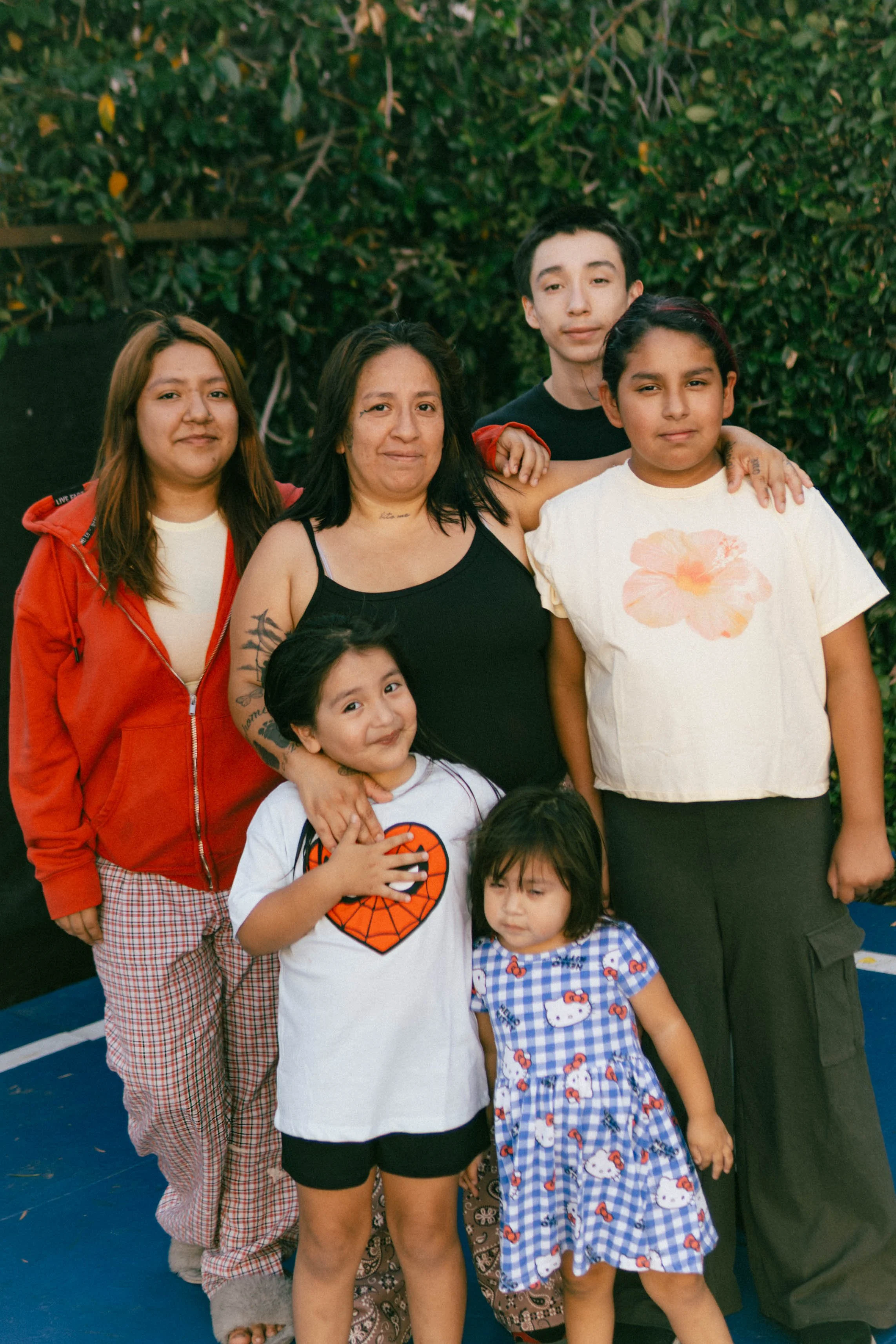
When Tomasita and her six kids came to our interim housing site in Boyle Heights, this wasn’t their first time being homeless. Like many other Angelinos, she struggled to keep up with the rising cost of living on a single income. But this stint with homelessness was different; it was a deliberate choice made by Tomasita for her kids' and her own overall well-being.
Her partner at the time had become abusive, and having no place to live felt safer than the situation she was currently in. So she left and hopped between motels and shelters while she tried to figure out what was next. Her life had dramatically flipped on its head in the matter of months; the costs were adding up, and the constant stress on her mental health had started to take its toll. She felt like she never had the space to get ahead and set up her family for success.
Enter our Casa De Comunidad Carino (CCC) interim housing site.
Reflecting on her mental health when she first arrived at CCC, Tomasita said, “If I'm gonna be honest, I was really bad on my mental health. I just felt like I was gonna give up. I felt like I was failing my kids.”
Viviane Soto, LAFH’s Mental Health Specialist at CCC, started working with Tomasita shortly after she arrived and started the way she always does: by building trust. "She was open from the start," Viviane said. "She just needed someone to listen and feel like they were on her side." The more they talked, the more Tomasita let herself be seen, sharing what she was going through and, for maybe the first time in a while, asking for help. Over time, Viviane helped her believe in herself again and connected her to a therapist and other mental health services available to her through city-run programs.
The more they worked together, the more her kids could see a visible change in how she handled herself at home and outside of it. Their mom was more present, calmer, and more confident. And they wanted to feel that way too, so they asked if they could work with Viviane as well.
Over the past several months, Tomasita and her children have found the kind of support, stability, and care that lets a family start healing from what brought them to CCC in the first place. Housing wasn't the whole answer to their situation. It was the safety, compassion, and trust built inside this community that made a real difference for them. Their story reminds us that a true sense of home is often found in the things we take for granted: trust, a support system that wants to see you succeed, and a place you feel comfortable to be yourself.