Outreach and Engagement
Thousands of people enter the system of care thanks to LAFH’s outreach and engagement efforts.
Our trained Outreach Specialists go into the community as part of multidisciplinary teams to make initial contact and maintain ongoing connections with people living on the streets, including those in encampments, LA Metro, and hard-to-reach areas. They work to establish trust over time, helping to connect individuals and families with the housing solutions and essential supportive services that can end homelessness in their lives.
For anyone seeking support to quickly resolve their housing crisis, our Engagement team is ready to help connect them to homeless and rehousing services. The team provides critical intervention services at our Individual Solution Center and Family Solution Center, both located at our main Irmas Family Campus in North Hollywood. We also work across the region, conducting program intakes and providing problem-solving and homeless prevention and diversion services for single adults, couples, and families in L.A. County’s Service Planning Area (SPA) 2, covering the San Fernando and Santa Clarita Valleys, and SPA 1, encompassing the Antelope Valley.
By the Numbers
3,807 participants engaged through our street outreach program. Of these, 82% chose to take advantage of further services to obtain housing.
7,832 participants served through homelessness engagement services, such as prevention and problem solving. Of these, LAFH helped 650 participants retain their housing.
Program Spotlight:
LA Metro Outreach
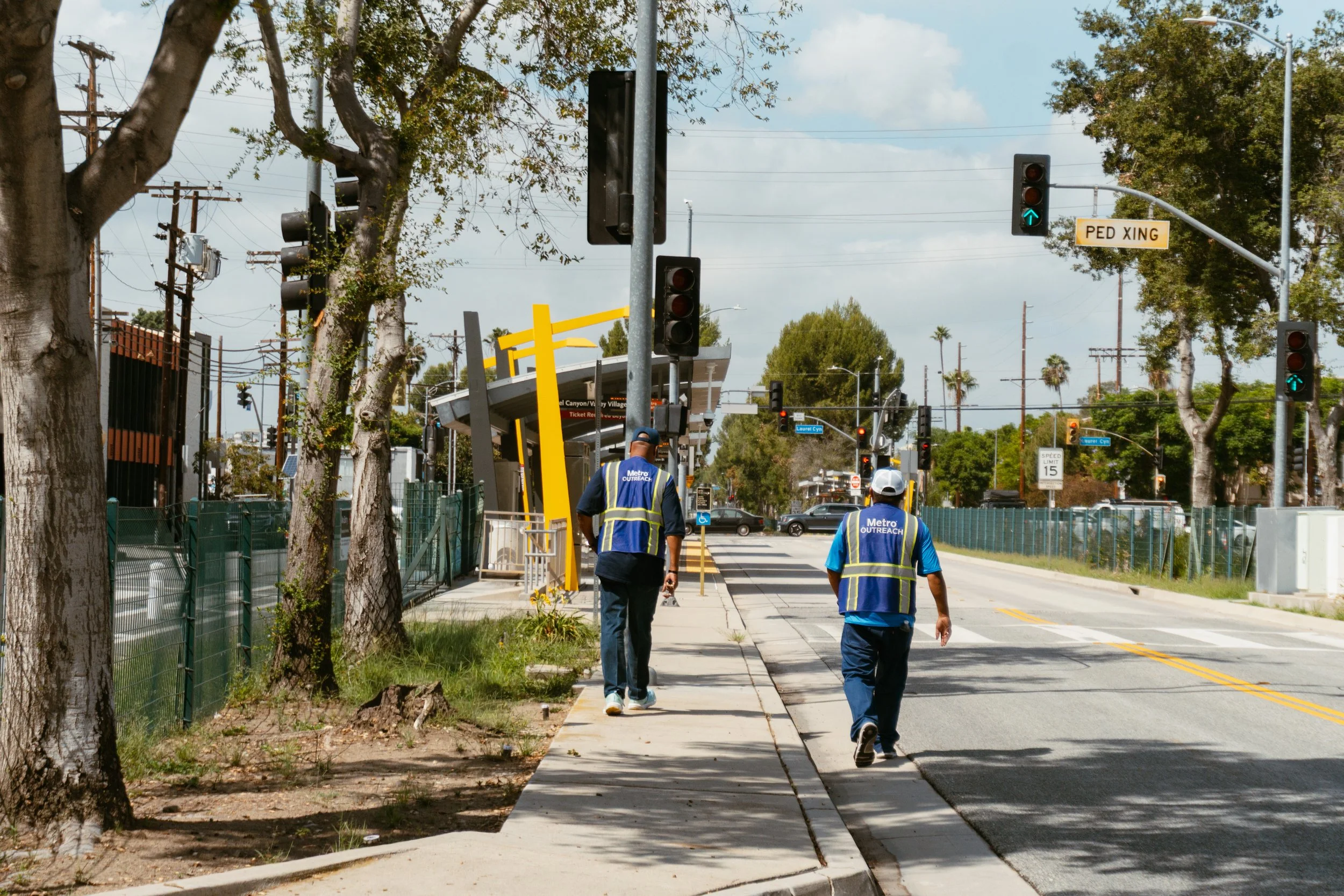
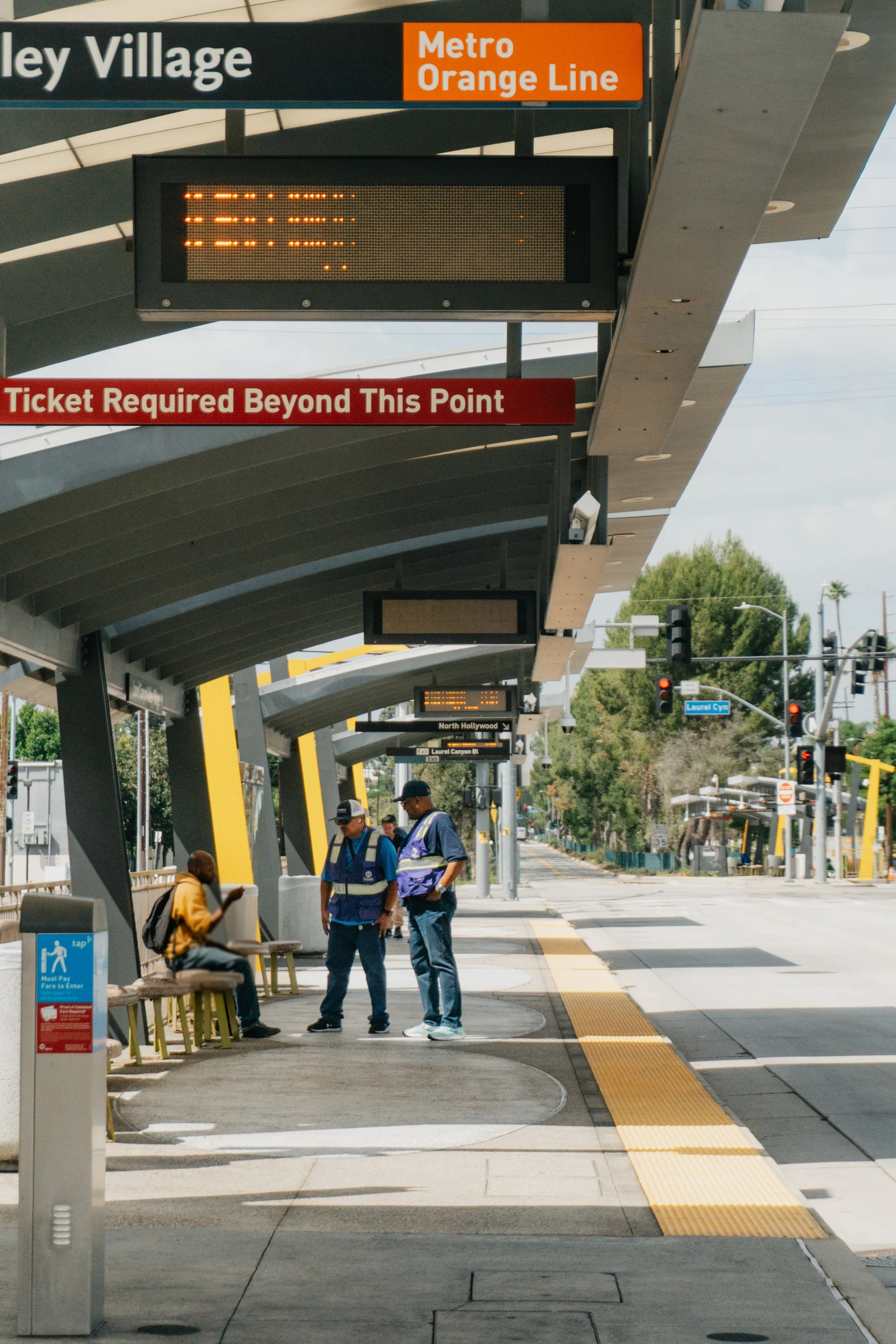
LA Metro serves as a lifeline for Angelenos, whether they're commuting to work, exploring the city, or heading to important appointments. Its network of buses, bikes, and rail is crucial for both housed and unhoused residents navigating Los Angeles. When the pandemic and its aftermath led to a sharp rise in unhoused individuals seeking shelter on Metro transit, LA Metro and homeless service providers (including LAFH) came together in a coordinated response. Through compassionate, care-based outreach, paired with enhanced safety and security efforts, this community-wide partnership focused on connecting vulnerable riders with housing and supportive services while ensuring the transit system remained accessible and safe for all.
This collaborative approach has made a real difference. According to Metro’s recently released data, there has been an incredible 57% decrease in the number of people experiencing homelessness on the transit system since 2024. LAFH is proud to have contributed to this progress. Our outreach team led efforts across SPA 2, focusing on two major B Line stations (Studio City and North Hollywood) and the surrounding bus routes. In 2025 alone, our team delivered 2,342 services to some of the city’s most vulnerable riders, building trust and opening doors to further support by providing healthcare, mental health support, food, clothing, hygiene kits, and housing connections. Importantly, nearly half (45%) of the individuals we first engaged chose to continue receiving services. By addressing basic needs first and building trust, we helped lay the foundation for people to access more comprehensive services on their path toward stable housing and overall well-being.
Partner Spotlight: DHS Street Medicine Team
Addressing homelessness requires meeting people where they are and breaking down the barriers that keep them from care. That's why our local partnerships are so vital. By working closely with local organizations, we can go beyond our specialty of care and deliver truly holistic support for those experiencing homelessness.
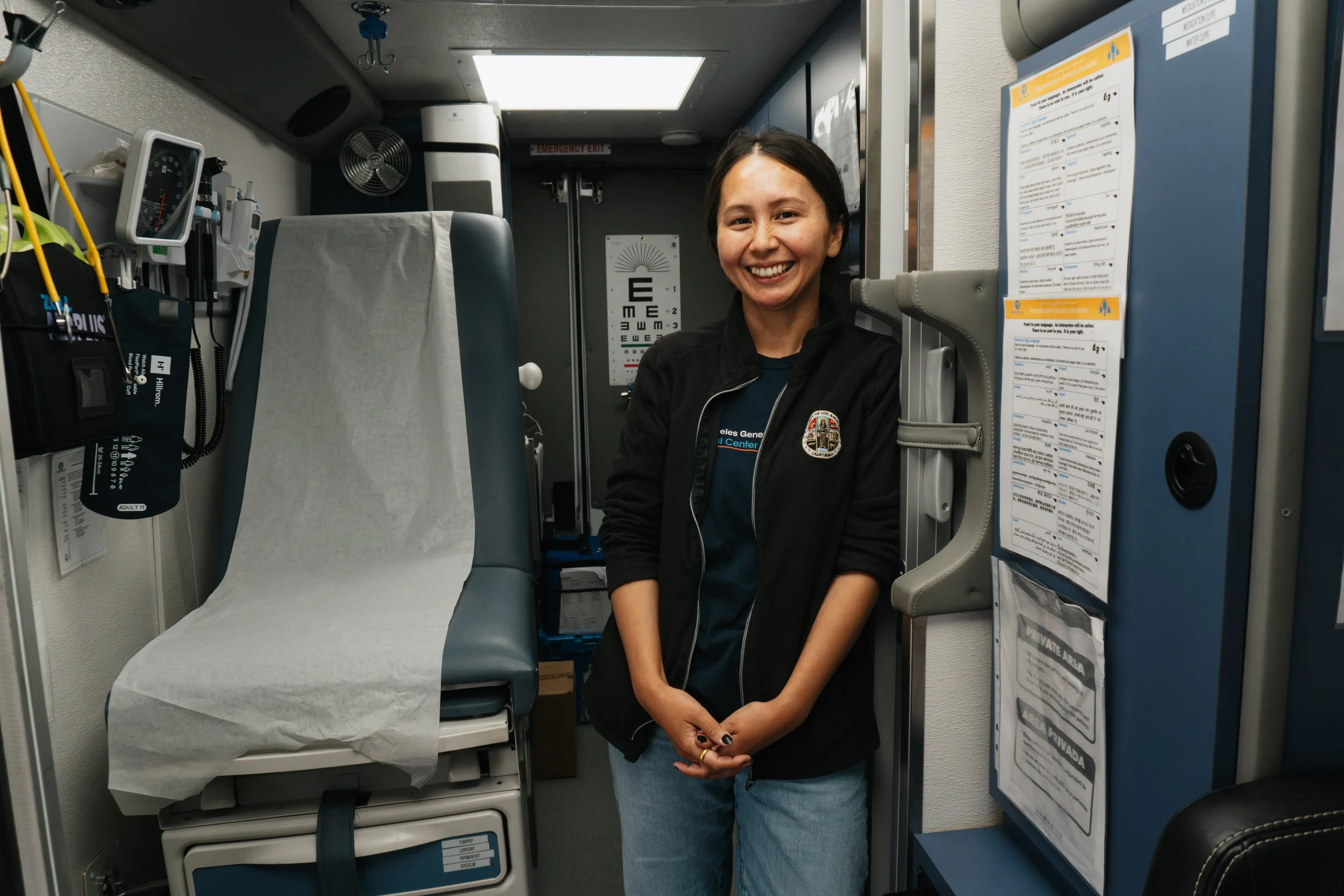
A critical gap for many unhoused individuals is access to health care. To help bridge this gap, we’ve partnered with the Department of Health Services (DHS) and its street medicine team, comprised of doctors, nurses, and behavioral health professionals. Since 2022, our collaboration with the DHS Mobile Clinic has brought essential medical services directly to people in the Sepulveda Basin, North Hollywood Metro Stations, and at special events like Homeless Connect Days. Their retrofitted sprinter van serves as a fully equipped clinic on wheels, offering primary care, medications for acute needs, on-the-spot testing, and support for those without insurance.
“I don’t think I can picture being a doctor anywhere else,” says Dr. Galat, Street Medicine/Mobile Clinic Medical Director and long-time partner of LAFH. For Dr. Galat and his team, practicing street medicine means tackling the injustices that contribute to homelessness in the first place, from lack of housing and food insecurity to barriers in the healthcare system. Solving homelessness requires all of us to work together, drawing on our collective strengths and resources. Or as Dr. Galat puts it: “When it comes to serving the community, there’s so much that needs to be done; we have to learn to rely on one another.”